

SPE 62888—Complex Hydraulic Fracture Behavior in Horizontal Wells, South Arne Feild, Danish North Sea
The paper presents a case study of hydraulic fracturing in the South Arne Field, Danish North Sea, where initial treatments failed due to excessive fracture complexity and fluid loss. By analyzing rock mechanics and pressure behavior, the team refined initiation methods—using high-viscosity gel with 100-mesh sand, higher sand concentrations, and avoiding mini-fracs in low-porosity zones. These changes enabled over 60 successful treatments with consistent proppant placement and reliable tip screen-outs
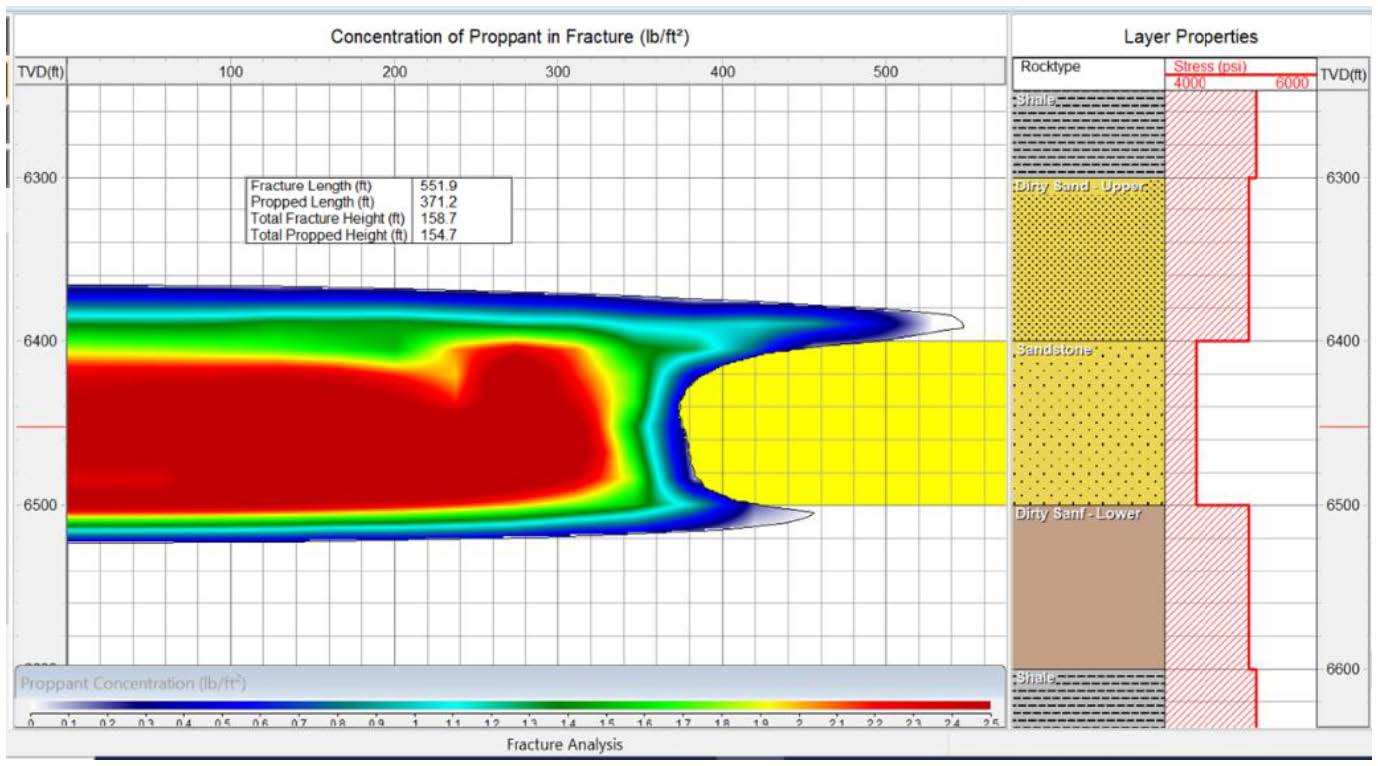
SPE 217816-MS—Hydraulic Fracturing Design Considerations for Carbon Capture, Utilization, and Storage (CCUS)
Carbon Capture, Utilization, and Storage (CCUS) is emerging as a key solution for reducing CO₂ emissions. Achieving sufficient injectivity in subsurface formations remains a major challenge for many projects. Hydraulic fracturing, widely used in the oil and gas industry, offers a potential solution to enhance reservoir injectivity for CO₂ storage. This paper examines how hydraulic fracturing can enhance CO₂ injection performance and highlights key fracture design considerations—such as fluid systems, proppant selection, and fracture geometry—to improve storage efficiency.
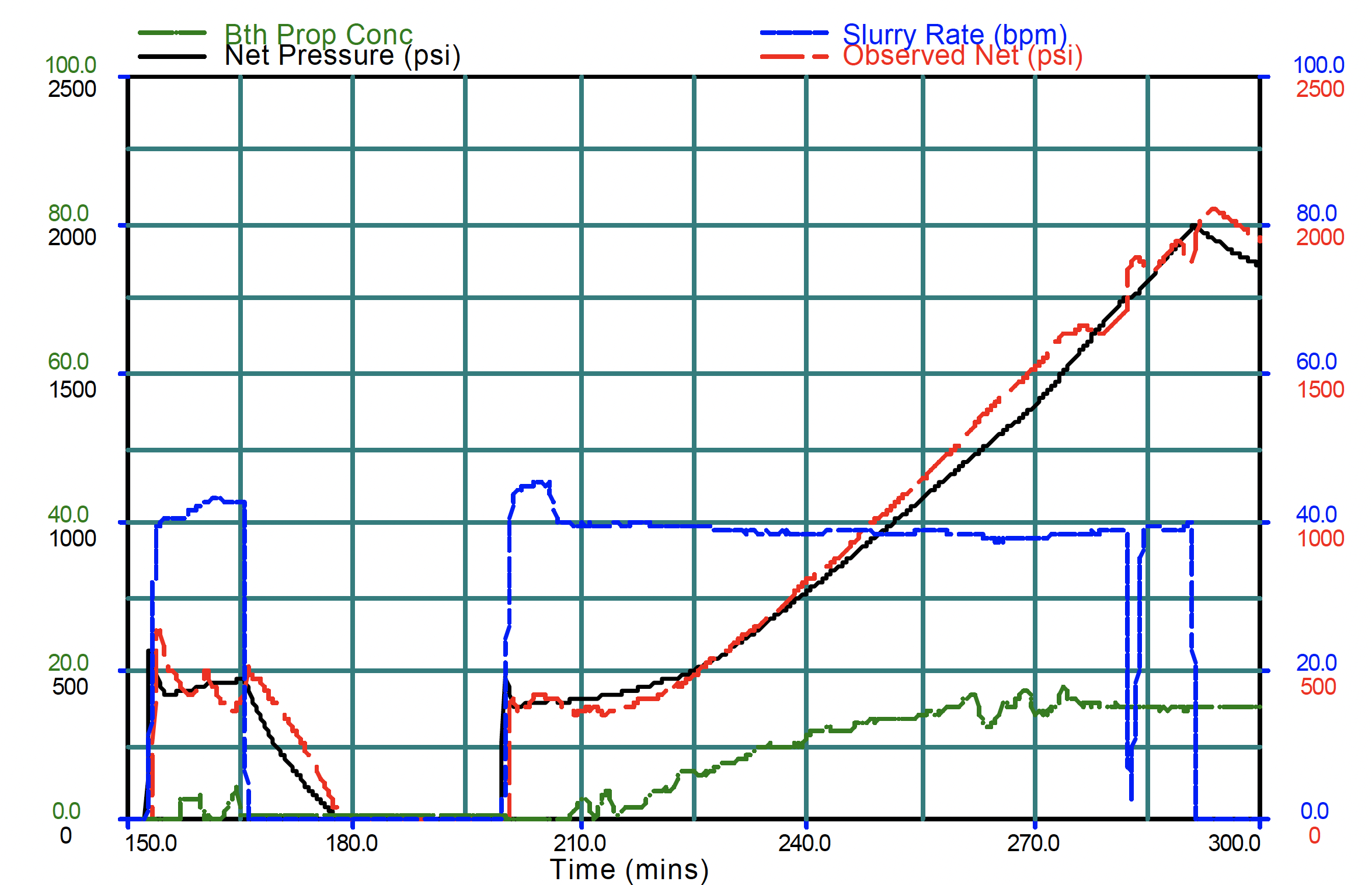
SPE 64383—Case Study of Hydraulic Fracture Completions in Horizontal Wells, South Arne Field Danish North Sea
This paper presents a case history of hydraulic-fracture completions in the South Arne Field, where early treatments screened out due to excessive fracture complexity and fluid leakoff. An integrated geomechanical and fracture-modeling study led to an optimized design that successfully placed target proppant volumes and achieved aggressive top screen-outs in over 60 treatments. The paper outlines the initial challenges, analytical approach, and mitigation strategies that improved completion reliability.
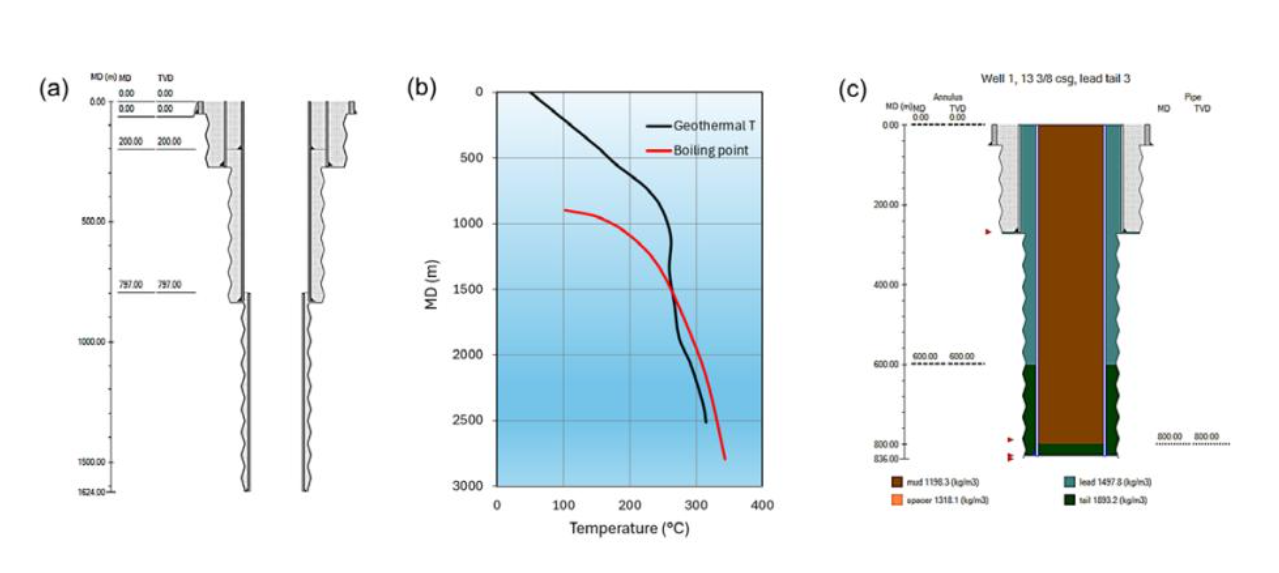
Enhancing Geothermal Well Cementing Design (pp. 29–33)
This journal publication explores how advanced cementing software can improve geothermal well design and cement integrity. By modeling thermal and mechanical conditions, engineers can optimize cementing strategies to enhance well reliability, longevity, and geothermal energy production.

Torque and Drag: Concepts that Every Drilling and Completion Engineer Should Know
Torque and drag can significantly impact drilling and completion performance, especially as wells become longer and more complex. This white paper explores how modeling and simulation help engineers better understand wellbore forces, improve planning and real-time monitoring, and reduce operational risk—enabling more accurate decisions and greater confidence in well execution.
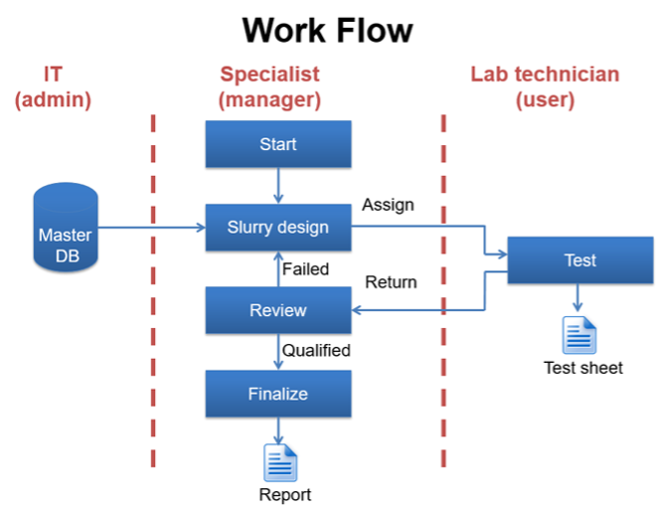
Standardizing Cement Lab Workflows: Real-Time Collaboration for Slurry Accuracy
Cement lab workflows are often fragmented, with manual processes, disconnected teams, and inconsistent standards impacting slurry accuracy and efficiency. This white paper explores how a centralized, web-based platform enables real-time collaboration, standardizes data and testing, and streamlines workflow management—helping teams improve consistency, reduce errors, and enhance overall cementing performance.
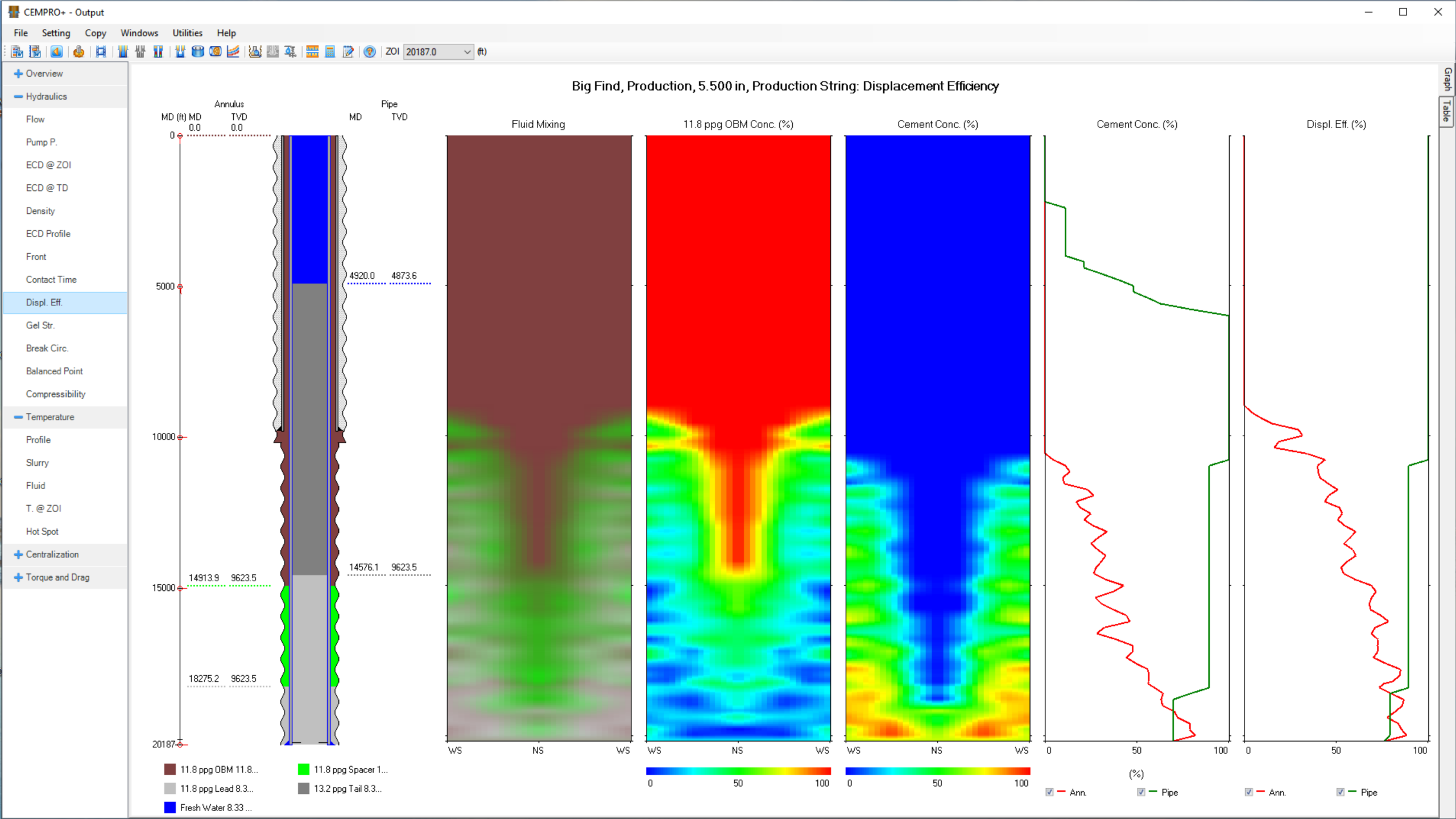
Better Cement Jobs, Fewer Surprises: A Lifecycle Approach to Cementing Design and Evaluation
Cementing operations often involve hidden risks that can impact well integrity and lead to unexpected outcomes. From fluid contamination and poor displacement to inaccurate design assumptions, these challenges can be difficult to predict using conventional methods. This white paper explores how data-driven modeling and simulation help engineers better understand downhole conditions, evaluate multiple scenarios, and optimize cement placement—reducing uncertainty and delivering more reliable cement jobs with fewer surprises.
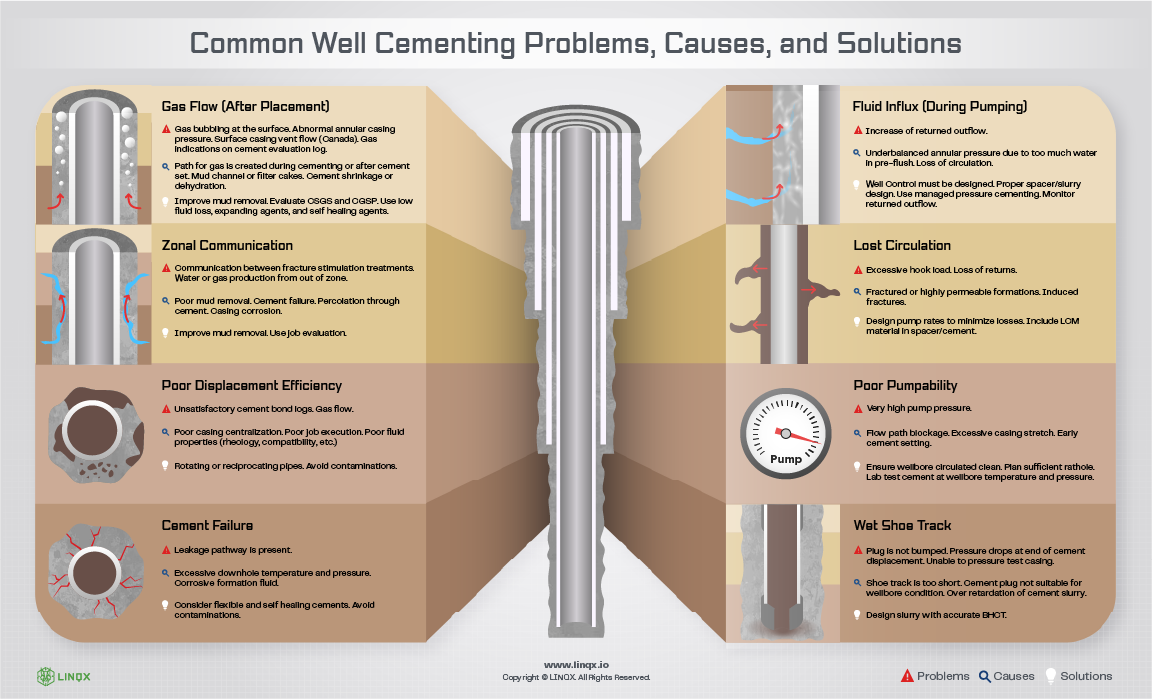
Common Well Cementing Problems, Causes, and Solutions
Many well cementing challenges occur out of sight during the cementing process. To help visualize these hidden issues, we created an infographic highlighting the most common cementing obstacles—from formation-related problems to shoe track complications—along with their causes and potential solutions.