
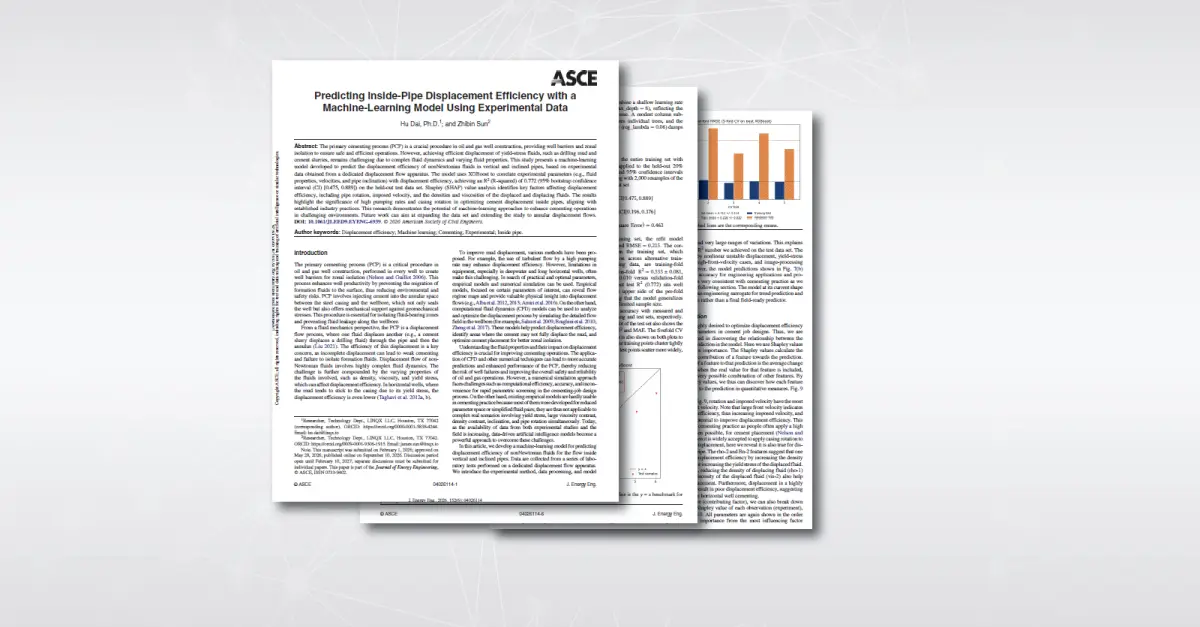
What Machine Learning Could Mean for the Future of Cementing Engineering
Machine learning is becoming increasingly common across oil and gas, but the more important question is not whether the industry can apply machine learning. It is where it can actually add engineering value.
Cementing is one area where that question is particularly relevant.
Displacement efficiency depends on a combination of fluid properties, pumping conditions, pipe geometry, inclination, and movement. These variables do not operate independently, and small changes in one condition can affect how fluids behave throughout the displacement process.
That complexity creates an opportunity for data-driven approaches to complement established engineering methods.
Recent research by Hu Dai, Ph.D. and Zhibin Sun, published in the Journal of Energy Engineering, examines that opportunity by applying machine learning to the prediction of non-Newtonian fluid displacement efficiency in vertical and inclined pipes. The paper was published online September 10, 2026, and is included in the journal’s December 2026 issue.
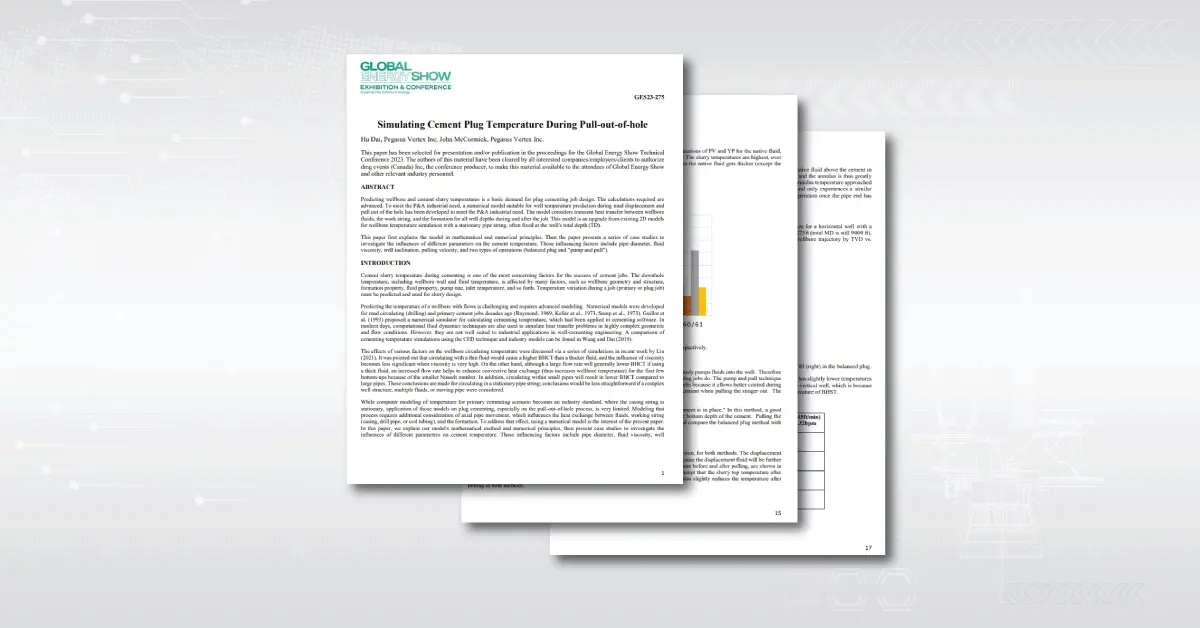
Revolutionizing Plug Cementing: Advanced Temperature Modeling Insights
Cement sheath failure in injection wells remains one of the oil and gas industry’s most costly and persistent well integrity risks. It’s not a new challenge—but it is becoming more severe. As mature fields transition into EOR programs and CO₂ storage expands, the conditions cement was originally designed to withstand are no longer the conditions it faces downhole.

Real-Time Monitoring in Well Cementing: Improving Visibility During Critical Operations
Cement sheath failure in injection wells remains one of the oil and gas industry’s most costly and persistent well integrity risks. It’s not a new challenge—but it is becoming more severe. As mature fields transition into EOR programs and CO₂ storage expands, the conditions cement was originally designed to withstand are no longer the conditions it faces downhole.
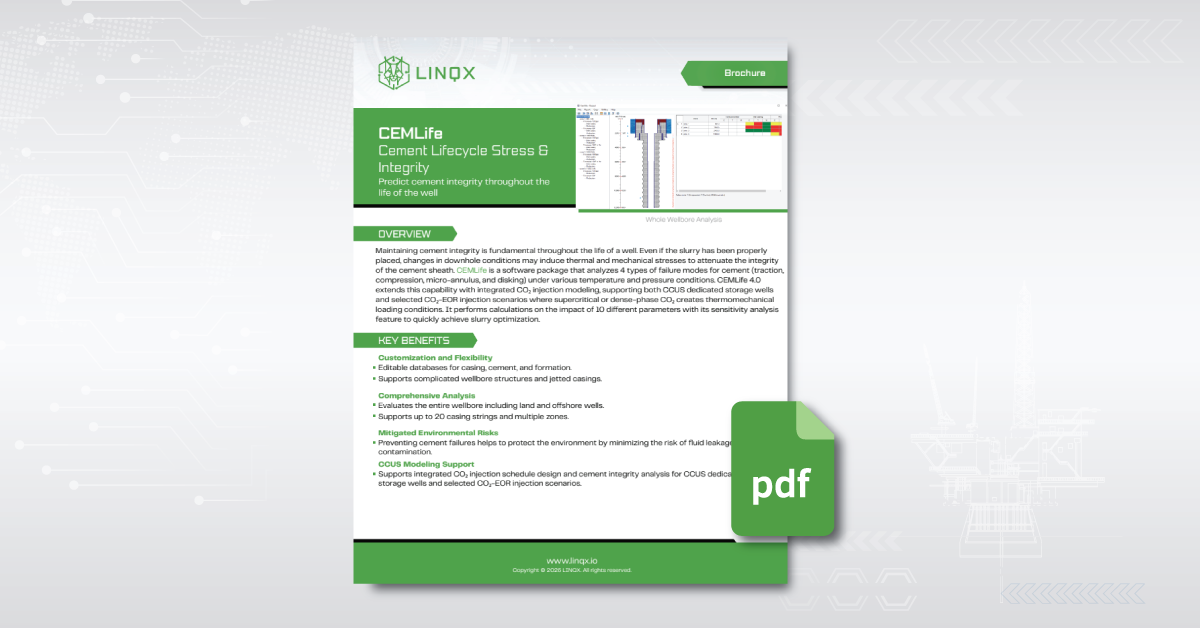
The Integrity Risk Operators Can’t Ignore in CCUS and EOR Wells
Cement sheath failure in injection wells remains one of the oil and gas industry’s most costly and persistent well integrity risks. It’s not a new challenge—but it is becoming more severe. As mature fields transition into EOR programs and CO₂ storage expands, the conditions cement was originally designed to withstand are no longer the conditions it faces downhole.
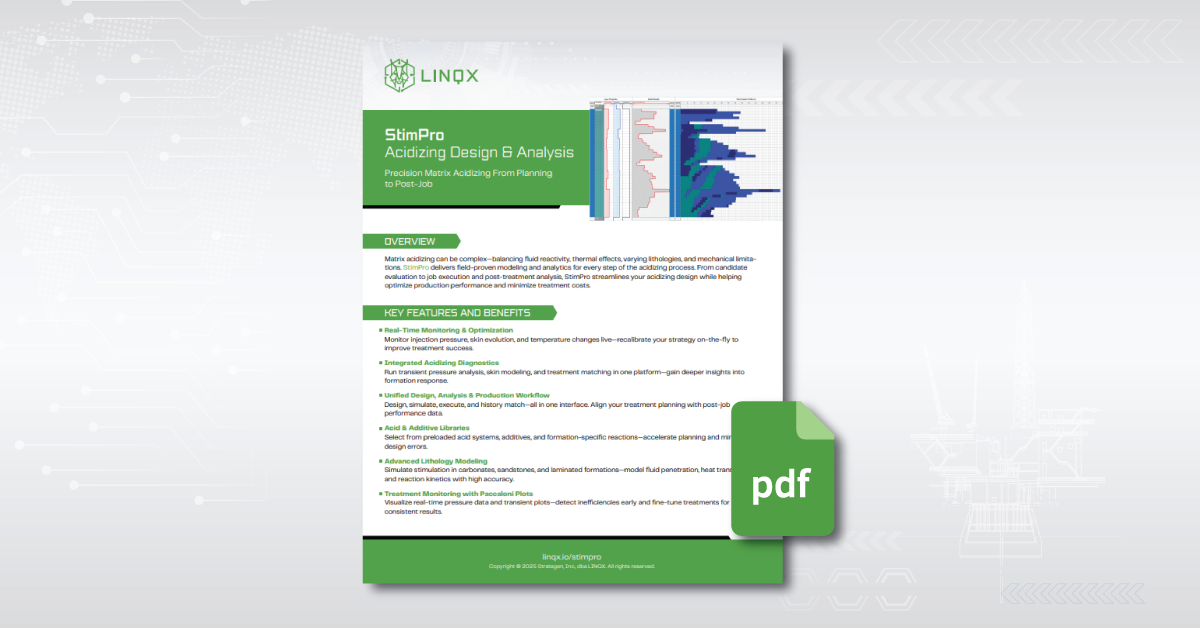
Precision Matrix Acidizing: From Planning to Post-Job Performance
Hydraulic fracturing is a complex, highly variable process. No two formations behave exactly the same, and a fluid that works well in one stage can underperform in another. Choosing the right frac fluid is about more than viscosity—it’s about understanding formation characteristics, fluid properties, additives, and operational goals.
This guide breaks down the fundamentals of fluid selection, highlights trade-offs, shares lessons from field trials, and provides a practical checklist for engineers.
From Fragmented Reports to Fluid Design: How Cement Labs Are Solving the Data Consistency Problem
Hydraulic fracturing is a complex, highly variable process. No two formations behave exactly the same, and a fluid that works well in one stage can underperform in another. Choosing the right frac fluid is about more than viscosity—it’s about understanding formation characteristics, fluid properties, additives, and operational goals.
This guide breaks down the fundamentals of fluid selection, highlights trade-offs, shares lessons from field trials, and provides a practical checklist for engineers.
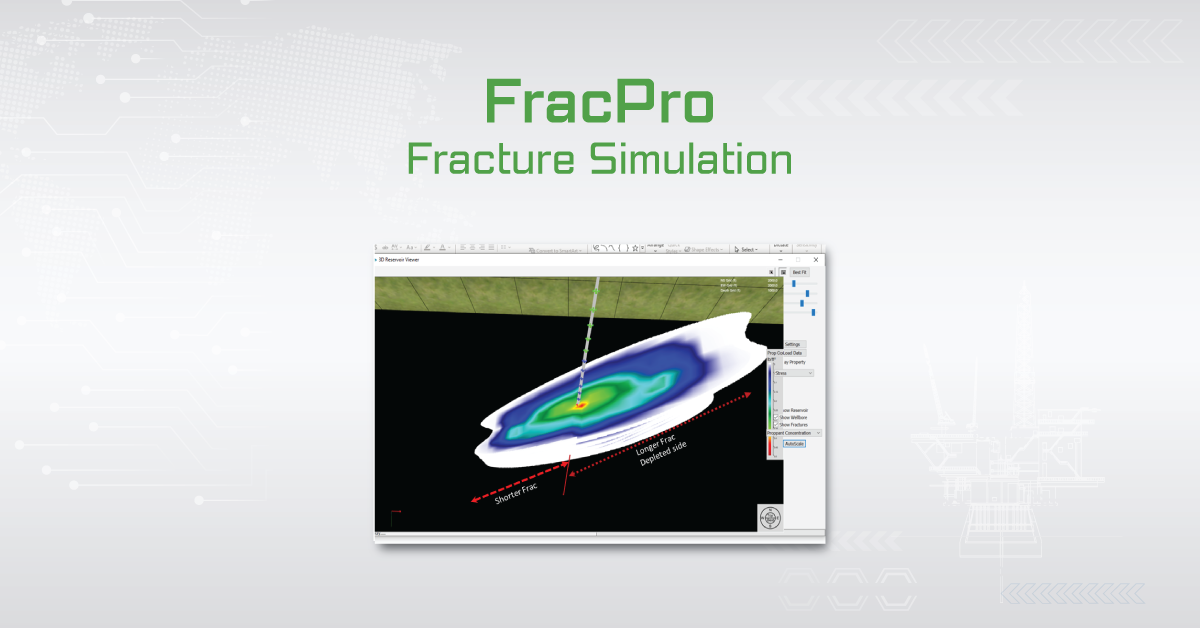
Frac Fluids 101: Matching Properties, Additives, and Objectives to Your Formation
Hydraulic fracturing is a complex, highly variable process. No two formations behave exactly the same, and a fluid that works well in one stage can underperform in another. Choosing the right frac fluid is about more than viscosity—it’s about understanding formation characteristics, fluid properties, additives, and operational goals.
This guide breaks down the fundamentals of fluid selection, highlights trade-offs, shares lessons from field trials, and provides a practical checklist for engineers.
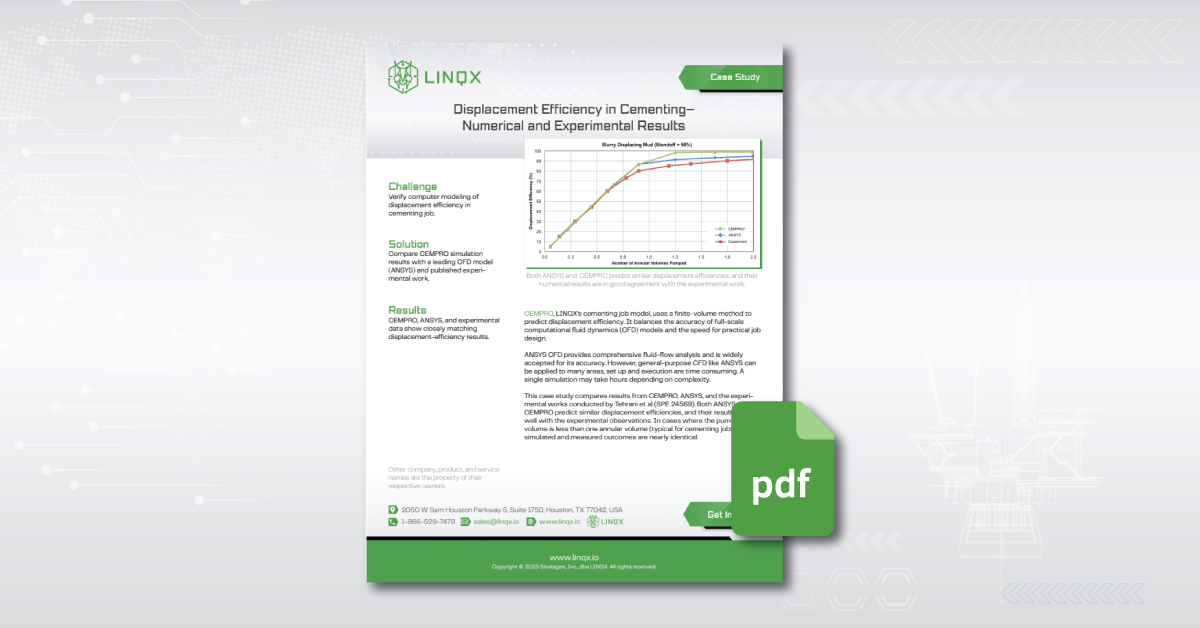
Optimizing Cementing Operations Through Data-Driven Insights
As directional drilling pushes into deeper, more complex territory, the mechanical forces acting on drillstrings and casing systems grow harder to ignore. Extended-reach and high-angle wells introduce interactions that are neither linear nor forgiving. Among these, torque and drag (T&D) stand out—not as theoretical challenges, but as real constraints that can derail operations if not properly addressed.
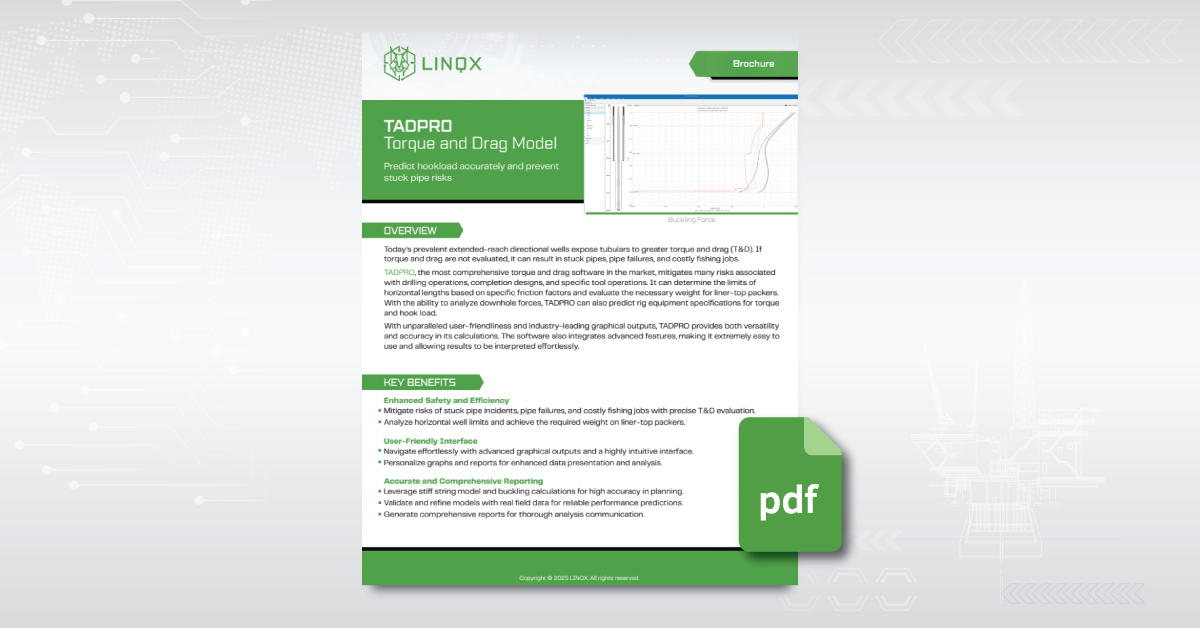
Torque and Drag Under Pressure: Engineering Insights for Directional and Extended-Reach Wells
As directional drilling pushes into deeper, more complex territory, the mechanical forces acting on drillstrings and casing systems grow harder to ignore. Extended-reach and high-angle wells introduce interactions that are neither linear nor forgiving. Among these, torque and drag (T&D) stand out—not as theoretical challenges, but as real constraints that can derail operations if not properly addressed.
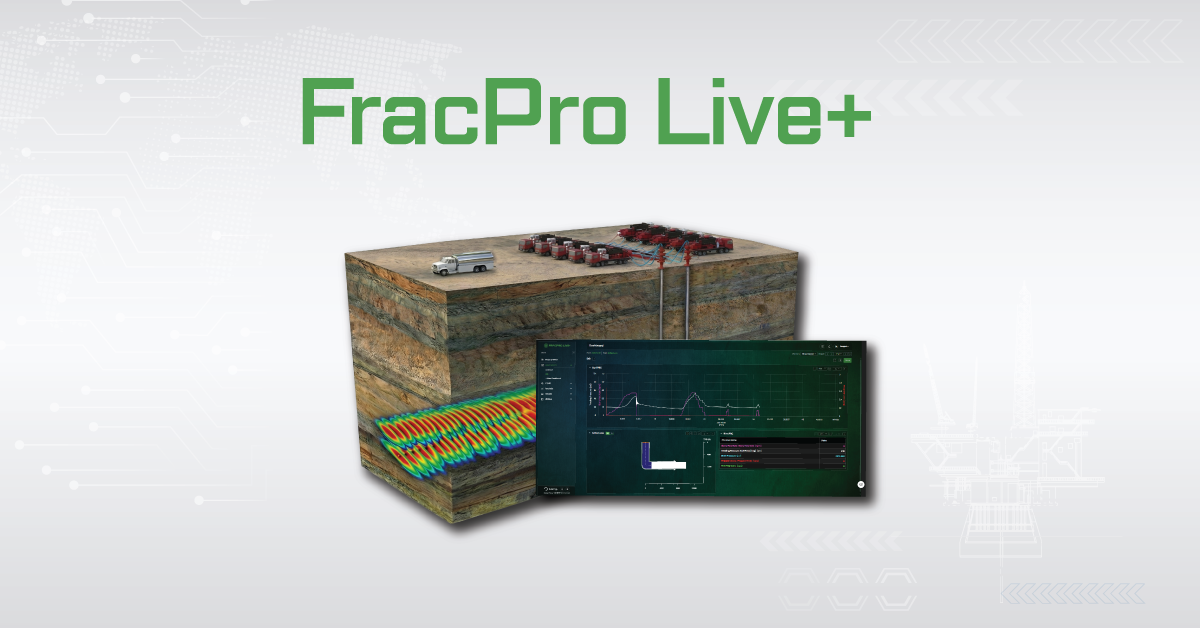
Navigating Complexity in Modern Well Planning
Well planning in oil and gas has become increasingly complex. Engineers must manage intricate wellbore geometries, monitor fluid behavior, and ensure treatments are executed precisely. These tasks are complicated by the need to work across multiple teams, consolidate data from various sources, and respond to changing conditions in real time. Small errors or inefficiencies at any stage can have cascading effects, including operational delays, higher costs, and reduced production efficiency.