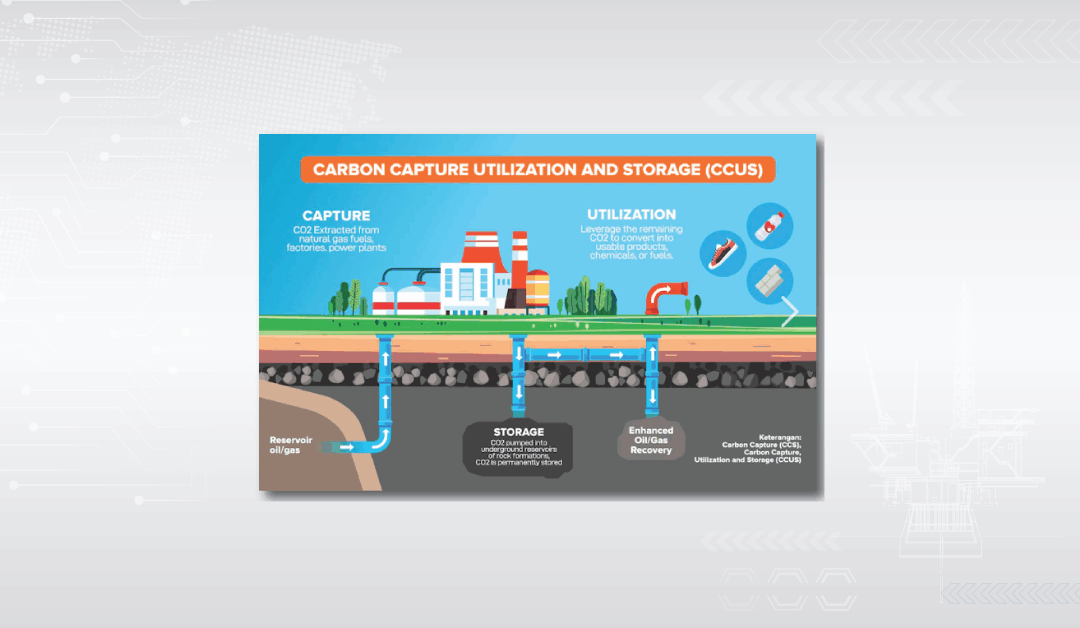
Hydraulic fracturing has long played a critical role in unlocking subsurface resources, but its role is expanding. As carbon capture, utilization, and storage (CCUS) gains momentum, fracturing is emerging as a valuable tool—not for extraction, but for injection. By...
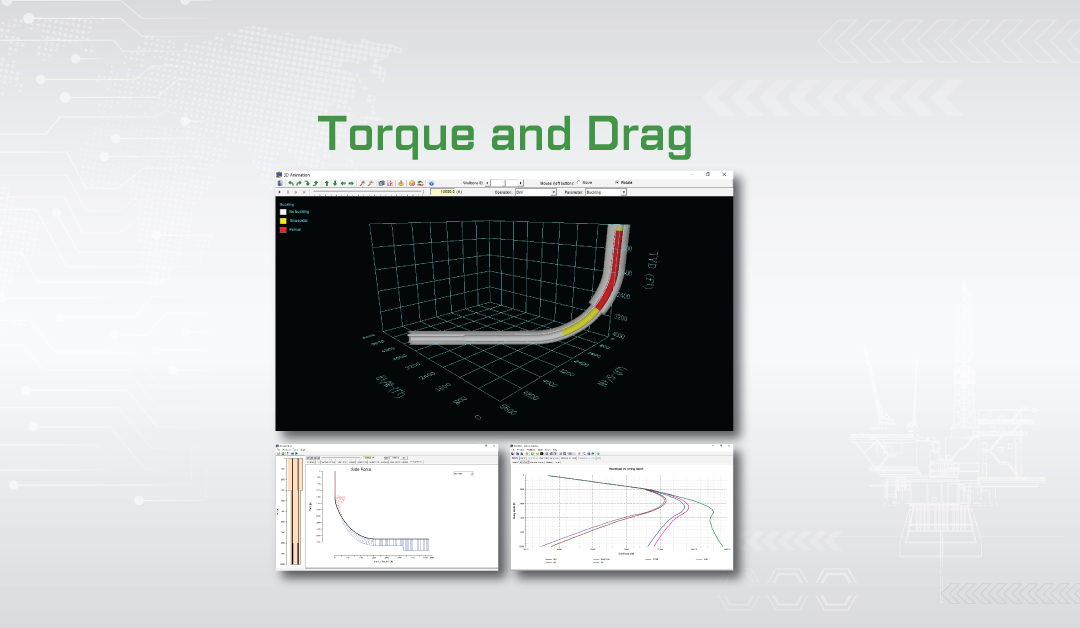
Torque and drag have long been persistent hurdles in directional drilling, especially as well paths stretch deeper and twist into increasingly complex shapes. The tricky part is that these issues rarely show up all at once. Instead, they creep in gradually—joint by...
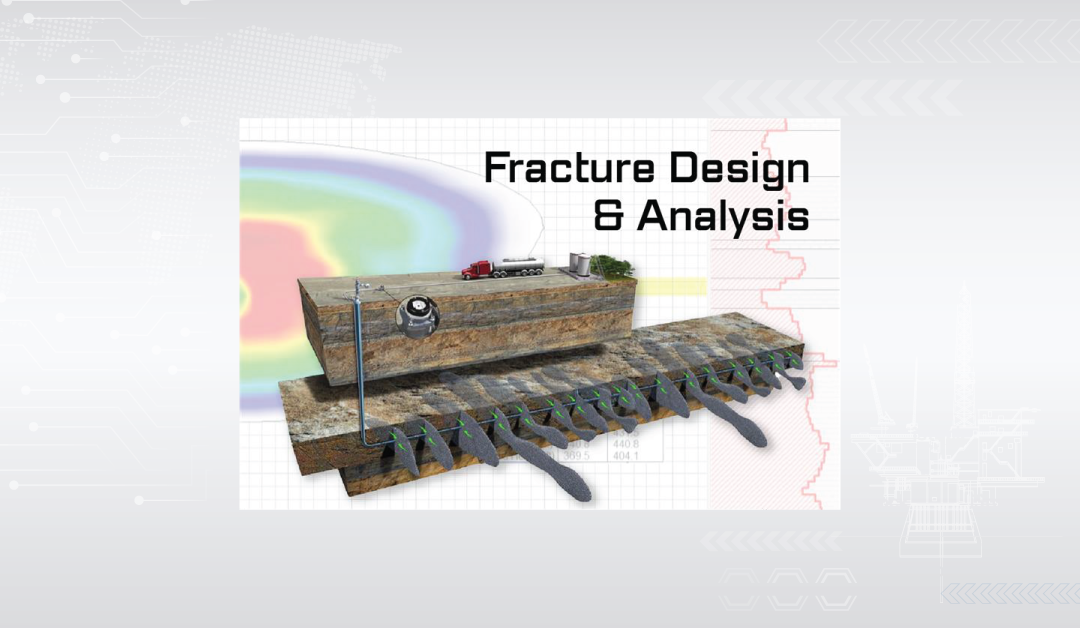
As reservoir development moves into more geologically complex settings, fracture design and analysis continue to be essential for reliable stimulation outcomes. These tools enable teams to plan treatments that account for formation variability, improve execution in...
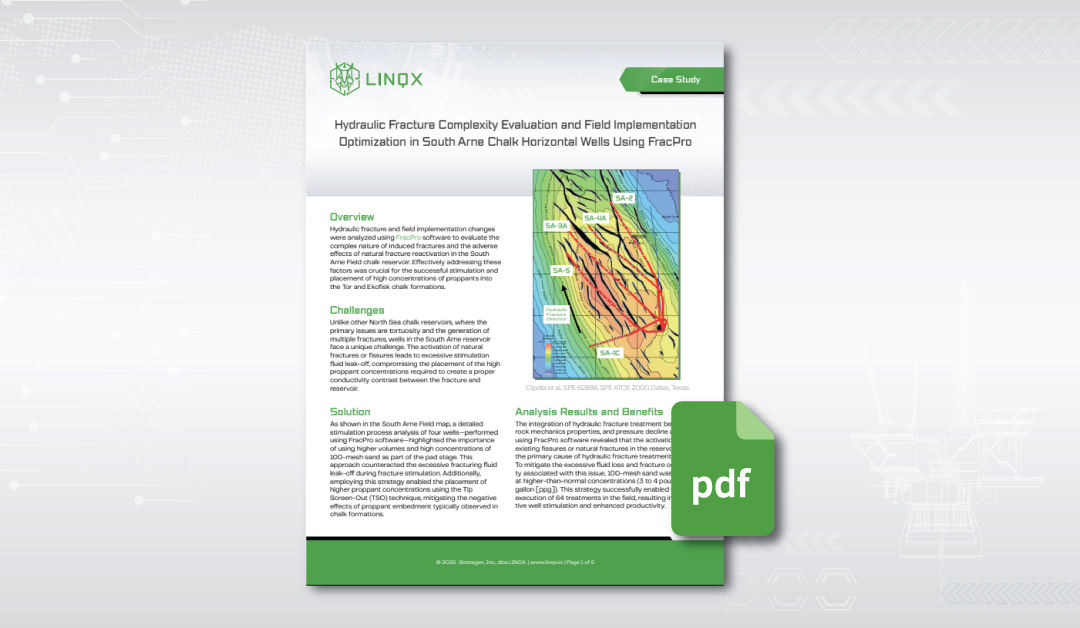
In the early days of hydraulic fracturing, success often came down to horsepower and persistence. But as the industry evolved—pushing into tighter rocks, deeper wells, and increasingly complex geologies—it became clear that brute force alone wouldn’t cut it. What...
Extended laterals are pushing the boundaries of what’s possible in unconventional completions. But with these long, complex wells come operational headaches—especially when drilling out frac plugs. Operators often struggle with how to manage tripping all the way to...